
Conclusion
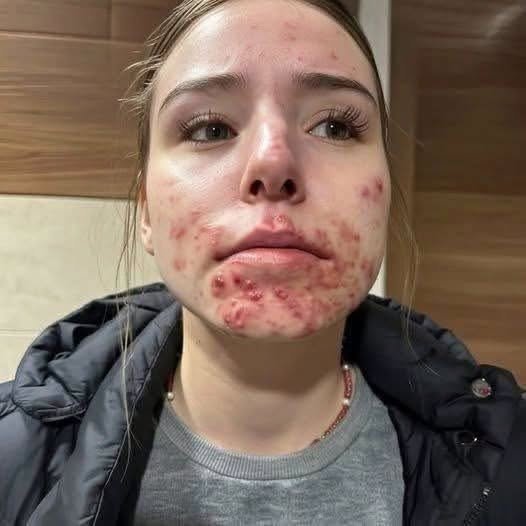
The viral post uses a shocking image and a vague caption to generate engagement, but it misrepresents a very real medical condition. The red bumps around the mouth are a hallmark of perioral dermatitis, an inflammatory skin disorder most often associated with the use of topical steroid creams, fluoride, and cosmetic products—not a mysterious “consequence” of a single bedtime habit. If you or someone you know is experiencing a similar rash, the most responsible course of action is to consult a healthcare professional for an accurate diagnosis and a treatment plan that addresses the true underlying causes.
Frequently Asked Questions
Is this rash caused by sleeping with makeup on?
While sleeping in makeup can contribute to acne and skin irritation by clogging pores and disrupting the skin barrier, it is not the primary cause of perioral dermatitis. The condition is an inflammatory disorder most strongly linked to the use of topical steroid creams on the face . However, heavy or occlusive skincare products are a known contributing factor .
Is perioral dermatitis contagious?
No. Perioral dermatitis is an inflammatory skin condition, not an infection. It cannot be passed from person to person.
Can I treat this with acne medication?
No. In fact, many over-the-counter acne treatments can be too harsh for perioral dermatitis and may worsen the irritation. The condition requires specific treatment, often involving antibiotics (topical or oral) and the complete cessation of any steroid creams . It is important to see a doctor for a proper diagnosis.
How long does it take to clear up?
The duration varies depending on the severity and the treatment used. With appropriate medical treatment and avoidance of triggers, improvement is often seen within weeks, but the condition can be persistent and may take several months to fully resolve . Recurrences are possible, so trigger avoidance is important for long-term management.