
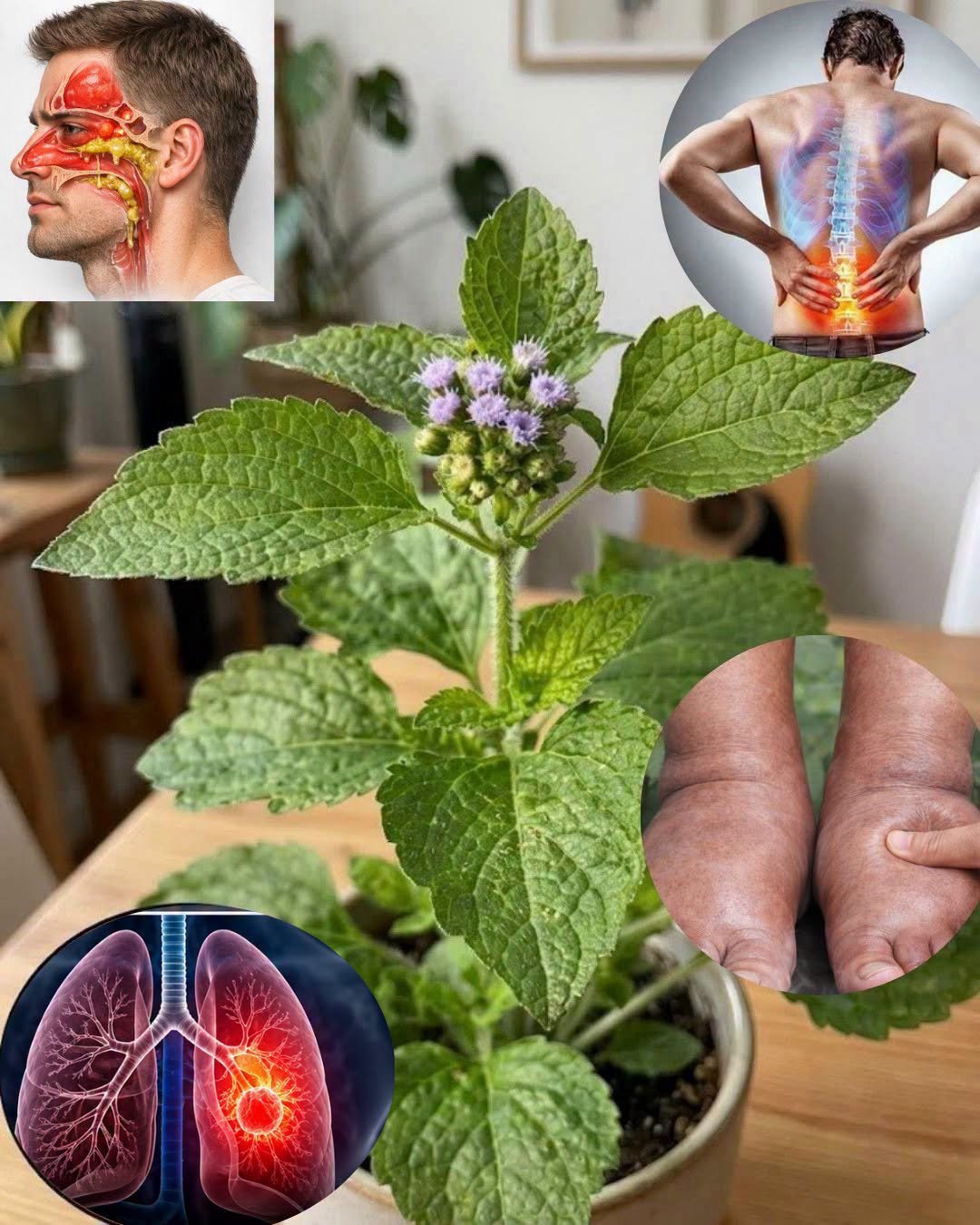
Mentrasto (Ageratum conyzoides): How This Traditional Herb May Complement Back, Leg, and Respiratory WellnessNatural wellness often begins with simple daily habits. Around the world, traditional medicinal plants have long been valued for supporting comfort and overall well-being. One such herb is Mentrasto (Ageratum conyzoides), a leafy flowering plant recognized in many cultures for its long history of traditional use.
Known as goat weed, erva-roxa in Brazil, and cỏ lào in Vietnam, this herb has been used for generations in herbal teas, warm compresses, steam inhalations, and massage oils. Traditionally, people have turned to mentrasto to help soothe tired muscles, ease occasional physical discomfort, and support respiratory comfort.
While modern research has identified several promising plant compounds, clinical evidence remains limited. For that reason, mentrasto should be viewed as a complementary wellness herb rather than a replacement for professional medical care.
What Is Mentrasto?
Ageratum conyzoides belongs to the Asteraceae family and grows naturally throughout tropical and subtropical regions.
It can be recognized by its:
- Soft green oval leaves with serrated edges
- Small lavender to purple flowers
- Fine hairy stems
- Distinct herbal aroma
Researchers have identified several naturally occurring plant compounds, including:
- Flavonoids
- Tannins
- Essential oils
- Various phenolic compounds
These bioactive substances are being studied for their antioxidant properties and their potential role in supporting tissue health and overall wellness.
Traditional Uses of Mentrasto
1. Supporting Back and Muscle Comfort
After physically demanding work or exercise, many people traditionally prepare warm mentrasto compresses or herbal massage oils as part of their relaxation routine.
Traditionally, these preparations have been used to help:
- Promote muscle comfort
- Encourage relaxation in the lower back
- Complement post-activity recovery routines
Although many people find these practices soothing, they should not be considered treatments for chronic pain or musculoskeletal disorders.