

A Woman’s Chin Hair Is a Sign Of… What It Really Means and When to Pay Attention
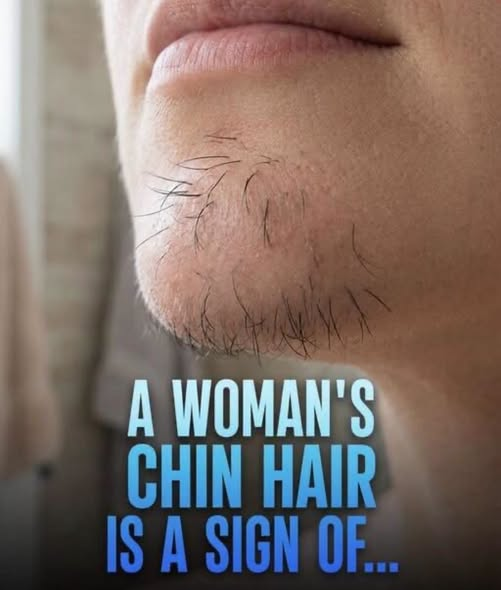
A stray hair on the chin is one of those small discoveries that can trigger a surprising amount of anxiety. The viral caption suggests it is a sign of something significant, and the truth is that it can be—but not in the alarming way the post implies. For most women, chin hair is a normal result of genetics, aging, or a common hormonal condition. It is rarely a sign of a serious medical emergency, but it can sometimes point to an underlying issue that is worth discussing with a doctor.
The medical term for excessive dark, coarse hair growth in women in areas like the chin, upper lip, chest, and back is hirsutism . It is surprisingly common, affecting over 4 out of every 10 females at some point in their lives . Understanding the range of causes—from completely benign to medically treatable—can help you decide whether to simply reach for the tweezers or book an appointment with your doctor.
The Most Common Cause: Polycystic Ovary Syndrome (PCOS)
When chin hair is accompanied by other symptoms, the most frequent underlying cause is Polycystic Ovary Syndrome, or PCOS. PCOS is a common endocrine condition that affects roughly 5% to 15% of women of reproductive age . It disrupts the balance of sex hormones, leading to an overproduction of androgens—often called “male” hormones—including testosterone .
How PCOS Causes Chin Hair
The excess androgens in PCOS stimulate hair follicles in androgen-sensitive areas, such as the chin, jawline, upper lip, and abdomen. This is why women with PCOS often notice coarse, dark hair growth in these specific locations . PCOS is considered one of the most common causes of hirsutism, and severe cases can sometimes lead to significant facial hair growth .
Other Signs to Watch For
Chin hair alone does not mean you have PCOS. The condition is typically diagnosed when other symptoms are present. These can include irregular or missed periods, acne, weight gain (particularly around the abdomen), and difficulty getting pregnant . If you have chin hair along with any of these signs, it is worth speaking to a doctor, who can run blood tests to check your hormone levels and discuss treatment options.
Other Common and Benign Causes
Not all chin hair is linked to PCOS. There are several other reasons why a woman might develop coarse facial hair, many of which are entirely normal.
Genetics and Heritage
Sometimes, chin hair is simply a family trait. Hirsutism is more common in women of Mediterranean, Middle Eastern, and South Asian descent . If your mother or grandmother had similar hair growth, it is likely a hereditary characteristic rather than a medical problem.
The Natural Aging Process
For many women, chin hair appears or becomes more noticeable during perimenopause and menopause. As estrogen levels decline, the relative balance of androgens increases, which can cause hair follicles on the face to produce coarser, darker hair . This is a normal part of the aging process for many women and is generally not dangerous .
Weight Changes and Insulin Resistance
Sudden or significant weight gain or loss can disrupt hormone levels and lead to increased facial hair . Additionally, there is a clear correlation between insulin resistance and higher androgen levels. Women with diabetes or prediabetes may notice an increase in facial hair at the same time as thinning hair on their head .
Medications
Certain medications can cause hirsutism as a side effect. These include anabolic steroids, some epilepsy medications, and medications like minoxidil or danazol . If you started a new medication and noticed a change in hair growth, your doctor can help determine if there is a connection.
When Chin Hair Is a Sign of Something More Serious
While most cases of chin hair are benign or related to PCOS, there are rare situations where it indicates a more serious condition. The NHS advises seeking an urgent GP appointment if you experience a sudden onset of thick, dark hair on your face and body, especially if it is accompanied by a deepening voice or increasing muscle mass . These can be signs of a hormone-secreting tumor, which is rare but requires prompt evaluation.
Other conditions that can cause hirsutism include Cushing’s syndrome (caused by high cortisol levels) and congenital adrenal hyperplasia (a genetic condition affecting the adrenal glands) . These are uncommon and typically present with a cluster of other symptoms, not just isolated chin hair.
What You Can Do About It
If the hair bothers you, there are many safe and effective ways to manage it. The choice depends on your preference, skin sensitivity, and budget.
For temporary removal, plucking with tweezers is the simplest option for a few stray hairs. Threading and sugaring are gentler alternatives to waxing for sensitive skin . Shaving and dermaplaning can remove hair but may cause irritation or tiny cuts. Depilatory creams dissolve hair but should be patch-tested first .
For longer-lasting results, laser hair removal and electrolysis can reduce or eliminate hair growth, though they are not usually available on the NHS and can be expensive .
If the underlying cause is a hormonal imbalance, treating that condition can help. A doctor may prescribe a combined contraceptive pill to lower androgen levels, or a topical cream called eflornithine (Vaniqa) which slows down hair growth on the face . Weight loss, if relevant, can also help lower androgen levels and reduce hair growth .