
The Truth About the Three-Point Tattoo: Why the Viral Warning Is Misleading
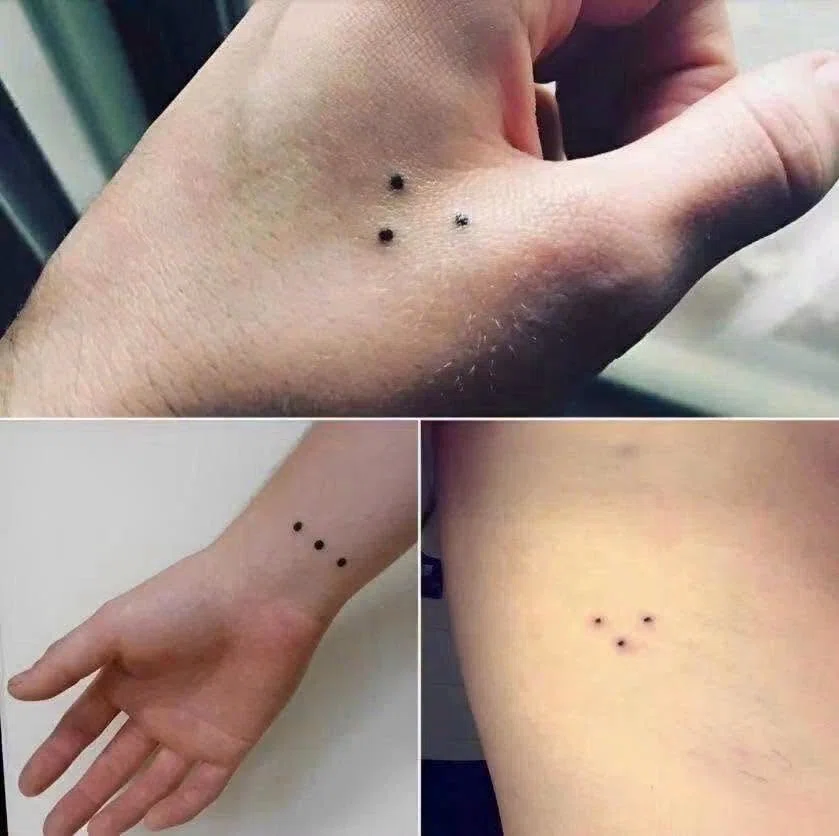
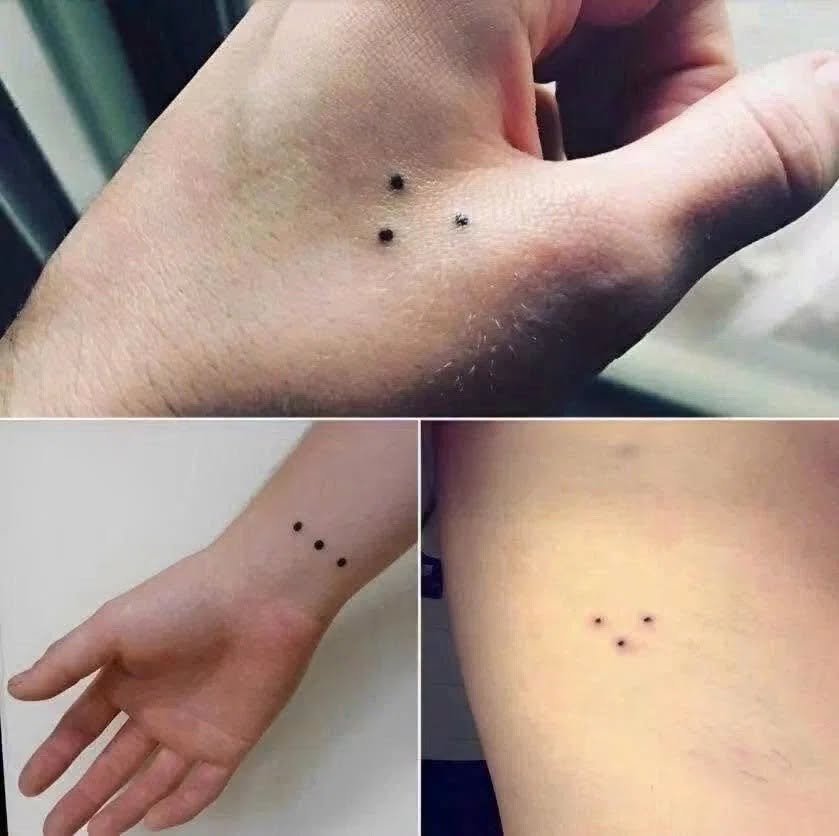
A viral social media post claims that if you see someone with a three-point tattoo, you should “run as far as you can.” The warning is alarming and has spread widely online, generating fear and speculation. However, the reality behind this small tattoo is far more complex and nuanced than the sensationalized caption suggests. While the three-dot tattoo does have documented associations with prison culture and gang lifestyles, it is also a deeply personal symbol, a religious marker, and a minimalist design chosen by millions of people with no criminal involvement whatsoever.
Understanding the real meaning behind the three-point tattoo requires moving past the viral fearmongering and examining its history, its cultural variations, and the importance of context. A tattoo is a form of self-expression, and its meaning is never universal. Assuming danger based on a few dots of ink is both inaccurate and unjust.
The Most Common Association: “Mi Vida Loca”
The three-dot tattoo, often arranged in a triangle, is most widely recognized for its association with the phrase “mi vida loca,” which translates from Spanish to “my crazy life.” This meaning originates from prison and gang culture, particularly within Chicano and Hispanic communities in the United States.
In this context, the tattoo is not a symbol of a specific gang, but rather an affiliation with a lifestyle. It can signal a life marked by chaos, risk, and survival. Some interpretations suggest it represents the idea that such a life often ends in one of three places: jail, the hospital, or the graveyard. It is a marker of resilience and a willingness to live on the edge, often associated with street life and rebellion.
The placement of the tattoo is often telling. It is commonly found on the hand, particularly between the thumb and forefinger, or sometimes near the eye. These visible locations are part of the tattoo’s communicative power within certain subcultures.